


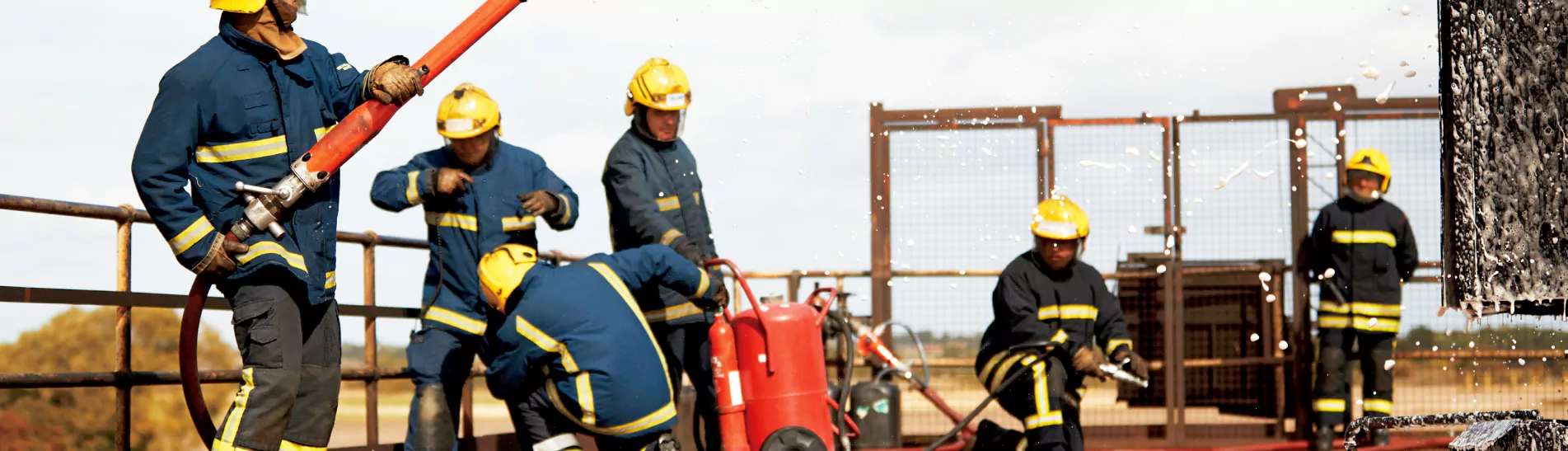

Everything You Need to Know About Long Range Walkie Talkies
When it comes to reliable communication in outdoor adventures, professional security, or emergency response, long range walkie talkies are essential. Whether you call them a long distance walkie talkie, high range walkie talkie, or a radio walkie talkie long range, the key question remains: how far can they really go? Let’s explore what determines the walkie talkie distance, how to maximize coverage, and why choosing the right device matters.
The advertised range of long range handheld radios can be misleading. A box might say “up to 30 miles,” but that’s usually under ideal conditions. Here are the real factors that affect the distance:
While traditional two-way radios depend on radio frequency, PoC (Push-to-Talk over Cellular) radios use 3G/4G/5G networks and Wi-Fi. This allows walkie talkie radios long range communication without being restricted by geography.
If you truly need super long range walkie talkies, PoC is the best solution for achieving global coverage.
Even the long distance radio walkie talkie can perform poorly if not used correctly. Here’s how to extend the range:
The best range walkie talkie isn’t just about maximum advertised miles—it’s about power, frequency, and environment. By understanding what affects performance and how to optimize usage, you can turn your standard radio into a long distance radio walkie talkie that truly delivers. And if you need worldwide communication, PoC radios are the modern solution that combine the simplicity of push-to-talk with the reach of cellular networks.
What Determines the Range of a Walkie Talkie?
The advertised range of long range handheld radios can be misleading. A box might say “up to 30 miles,” but that’s usually under ideal conditions. Here are the real factors that affect the distance:
Power Output
High powered walkie talkies with stronger wattage can transmit further. More power generally equals a best range walkie talkie, especially in open areas.Frequency Band (UHF vs. VHF)
- VHF radios perform better in open fields, rural landscapes, or water.
- UHF radios are better for urban environments where buildings or obstacles can interfere.
Obstacles & Terrain
Mountains, trees, and buildings can cut the signal significantly. In a city, a super long range walkie talkie may only work across a few blocks, while the same radio can reach miles in open countryside.Antenna Quality
A larger or high-gain antenna improves signal strength. Some long range handheld ham radios allow antenna upgrades for extended coverage.Weather Conditions
Radio waves can be affected by atmospheric conditions. Clear skies and low humidity are best for far range walkie talkies.PoC Radios: Worldwide Communication Beyond Range Limits
While traditional two-way radios depend on radio frequency, PoC (Push-to-Talk over Cellular) radios use 3G/4G/5G networks and Wi-Fi. This allows walkie talkie radios long range communication without being restricted by geography.
- With PoC, you can talk from one city to another—or even across countries.
- They combine the instant push-to-talk function of a walkie talkie with the coverage of mobile networks, essentially giving you worldwide walkie talkie distance.
- For businesses, logistics, public safety, and security teams, PoC radios ensure seamless and unlimited communication.
If you truly need super long range walkie talkies, PoC is the best solution for achieving global coverage.
How to Increase Walkie Talkie Distance
Even the long distance radio walkie talkie can perform poorly if not used correctly. Here’s how to extend the range:
- Elevate Your Position – Standing on a hill, building, or elevated ground reduces obstructions.
- Upgrade the Antenna – A high-gain antenna can make a standard walkie talkie radios long range model reach farther.
- Use Repeaters – Professional systems use repeaters to boost signals for super long range walkie talkies across wide areas.
- Reduce Interference – Stay away from power lines, tall buildings, and electronic interference.
- Choose the Right Frequency – Switching between UHF and VHF can optimize your walkie talkie distance in different environments.
Who Needs Long Range Walkie Talkies?
- Outdoor adventurers & campers who rely on far range walkie talkies in remote areas.
- Construction & event crews who need professional walkie talkies long range to stay coordinated.
- Emergency responders who depend on high powered walkie talkies in life-saving operations.
- Amateur radio operators who often prefer a long range handheld ham radio for hobby use.
- Global businesses & logistics teams that benefit from PoC radios for unlimited, cross-border communication.
The best range walkie talkie isn’t just about maximum advertised miles—it’s about power, frequency, and environment. By understanding what affects performance and how to optimize usage, you can turn your standard radio into a long distance radio walkie talkie that truly delivers. And if you need worldwide communication, PoC radios are the modern solution that combine the simplicity of push-to-talk with the reach of cellular networks.
-
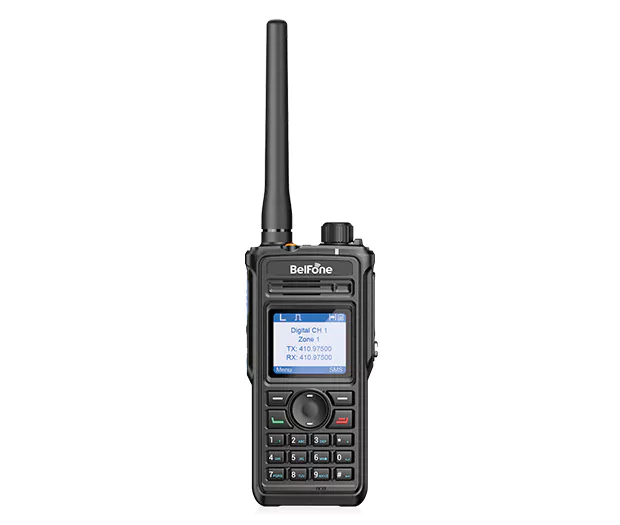
BP750
BP750 is a new enhanced two-way radio with rich functions, full application scenarios, and different versions(Conventional / System / Trunking / Smart Virtual Trunking /Ad hoc)to meet the communication needs of different industries. -
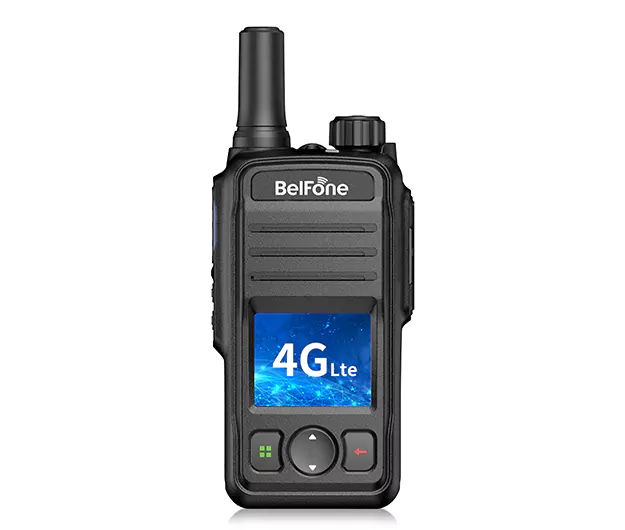
BF-CM630
The BF-CM630 PoC radio is the latest product of the BelFone 4G PoC series. It adopts an intelligent 4G 4-core platform hardware solution, providing advanced features such as ultra-low call latency, ultra-fast charging, high-definition voice, and powerful signal reception, bringing convenient and efficient communication while enabling real-time communication anytime, anywhere.



Technical support: Longcai Technology
