


Advantages of Two-Way Radio Emergency Alarms
release date:2025-11-25
Instant Alert Transmission
Emergency alarms on two-way radios enable immediate, one-touch activation—eliminating the need for dialing, waiting for connections, or navigating complex menus. This speed is critical in life-threatening scenarios (e.g., accidents, security breaches, or medical emergencies), ensuring help is summoned within seconds.Reliable Communication in Critical Environments
Unlike cell phones, which depend on cellular networks (often compromised during natural disasters, power outages, or remote operations), two-way radios use dedicated frequencies (UHF/VHF) or private networks. Emergency alarms maintain functionality even when infrastructure fails, making them indispensable for industries like construction, mining, and public safety.Targeted & Wide-Range Notification
Most radio systems allow emergency alarms to reach predefined groups (e.g., a team, entire facility, or dispatch center) or all users on the network. This precision ensures relevant personnel (e.g., first responders, supervisors) receive alerts without unnecessary disruptions, while also enabling mass notifications for large-scale crises.Hands-Free & Intuitive Operation
Designed for high-stress situations, emergency alarm features are typically accessible via large, tactile buttons or programmable keys—usable even with gloved hands, in low light, or when the user is injured. No technical expertise is required, reducing human error during critical moments.Integration with Safety Ecosystems
Modern two-way radios integrate emergency alarms with complementary safety tools: GPS tracking (to pinpoint the alarm’s location), man-down sensors (auto-activating if the user falls), and voice announcements (alerting nearby teams with context like “Emergency at Zone 3”). This seamless integration enhances response efficiency.Durability for Harsh Conditions
Two-way radios (especially industrial or public safety models) are built to withstand extreme temperatures, water, dust, and impacts. Their emergency alarm function remains operational in harsh environments (e.g., construction sites, wilderness, or disaster zones) where consumer devices would fail.Regulatory Compliance & Accountability
For industries with strict safety standards (e.g., oil and gas, healthcare, transportation), two-way radio emergency alarms help meet compliance requirements. Many systems log alarm activations, timestamps, and response times, supporting audit trails and accountability.Low Dependency on Power & Infrastructure
Battery-powered two-way radios offer extended operation (often 12+ hours on a single charge), and emergency alarms consume minimal power—ensuring functionality during prolonged outages. Unlike apps or cell-based alerts, they don’t rely on Wi-Fi, data plans, or external servers.Enhanced Team Coordination
When an alarm is triggered, radios allow real-time follow-up communication (e.g., “I need first aid at the loading dock”)—eliminating the gap between alerting and coordinating help. This two-way flow ensures responders have critical context to act effectively.Deterrence & Peace of Mind
The presence of accessible emergency alarm discourages potential threats (e.g., trespassing, workplace violence) and provides users with a sense of security. Knowing help is just a button press away boosts confidence, especially for lone workers or teams in high-risk settings.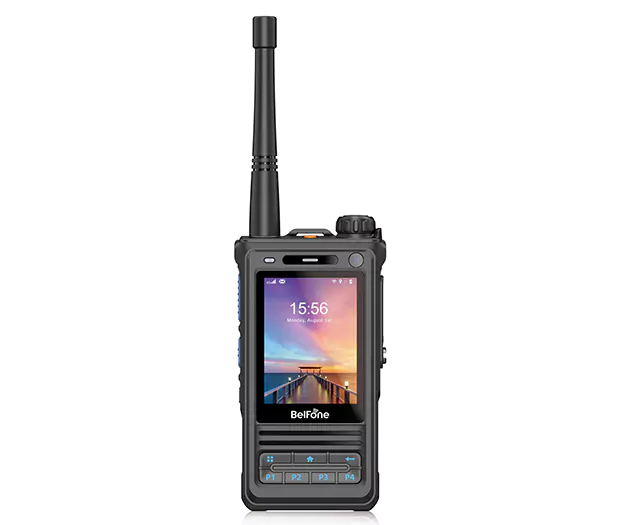





Technical support: Longcai Technology
