


Effective Methods to Improve Walkie-Talkie Communication Distance
release date:2026-02-27
Walkie-talkies are essential communication tools in various fields, including emergency response, construction, transportation, and outdoor activities. Their communication distance directly affects work efficiency and safety, but many users often find that the actual communication range is shorter than the theoretical value. This gap is usually caused by factors such as equipment performance, environmental interference, and improper usage. Fortunately, there are practical and effective methods to improve walkie-talkie communication distance, helping users maximize the device’s potential in different scenarios.
The first and most fundamental method is optimizing the walkie-talkie’s hardware configuration. The transmit wattage and antenna quality are core factors determining communication distance. For users needing longer range, upgrading to a higher-wattage walkie-talkie (e.g., from 2 watts to 5 watts or 10 watts) can significantly extend the signal transmission range—higher wattage means stronger signal penetration and longer coverage. Additionally, replacing the original antenna with a high-gain antenna is a cost-effective way to boost distance. High-gain antennas (such as telescopic or external omnidirectional antennas) can better receive and transmit signals, reducing signal loss and extending the effective communication range by 30% to 50% in open areas. It is important to note that the antenna should match the walkie-talkie’s frequency band to avoid signal interference or damage to the device.
Choosing the right communication location and reducing environmental obstacles is another key method. Radio signals are easily blocked or weakened by physical barriers such as buildings, mountains, dense forests, and even heavy rain or fog. To improve distance, users should try to communicate in open, unobstructed areas—for example, standing on high ground (hills, rooftops) or away from tall buildings and thick vegetation. Elevating the walkie-talkie (holding it above shoulder height) can also help avoid signal blockage from ground obstacles and improve signal propagation. In indoor scenarios, such as large warehouses or office buildings, placing the walkie-talkie near windows or open spaces can reduce signal attenuation caused by walls and concrete structures.
Proper device usage and maintenance also play a crucial role in improving communication distance. First, ensuring the walkie-talkie has sufficient battery power is essential—low battery levels will weaken the transmit signal, directly reducing communication range. Users should regularly charge the battery or replace it with a fully charged one to maintain stable signal output. Second, avoiding signal interference is vital. Using a dedicated, interference-free frequency band (with proper authorization if required) can prevent signal disruption from other devices, such as other walkie-talkies, cell phones, or electronic equipment. Keeping the walkie-talkie away from metal objects and electronic devices (e.g., laptops, car dashboards) can also reduce signal interference, as metal materials can reflect or absorb radio waves.
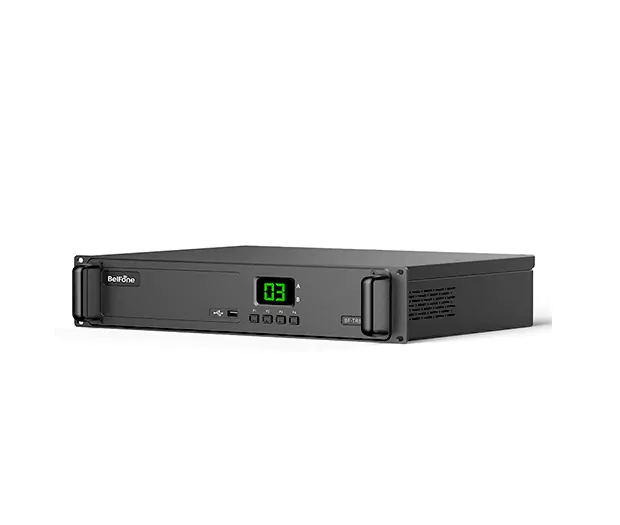
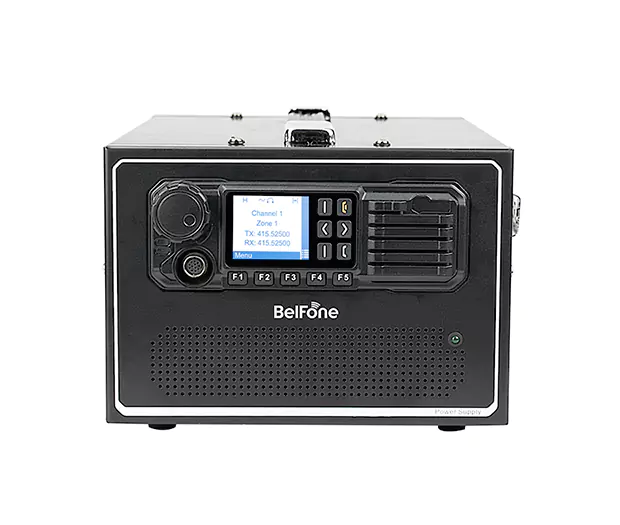
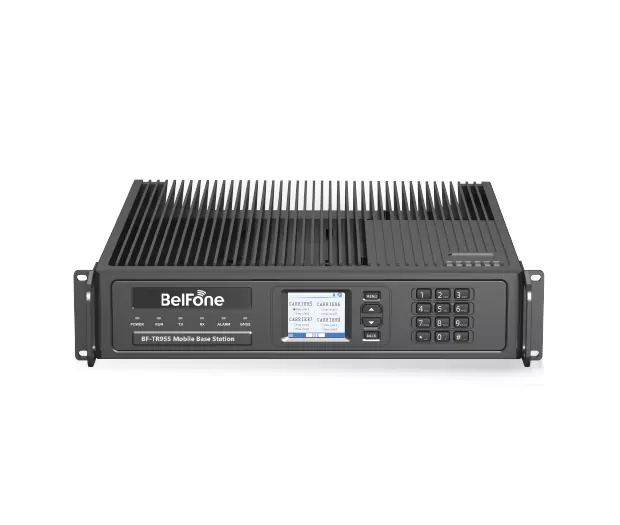
For scenarios requiring longer communication distances beyond the walkie-talkie’s standalone capability, using a repeater is an effective solution. A repeater is a device that receives weak signals from walkie-talkies, amplifies them, and retransmits them over a longer range. It acts as a "signal booster," extending the communication distance from a few miles to tens of miles, especially in areas with complex terrain or multiple obstacles. Repeaters are widely used in large-scale operations, such as emergency rescue, large construction sites, and taxi fleets, where long-distance, stable communication is critical. Additionally, pairing walkie-talkies with compatible accessories, such as external speakers or microphones, does not directly extend distance but ensures clearer audio transmission, allowing users to communicate effectively even at the edge of the signal range.
Finally, regular device calibration and maintenance can ensure the walkie-talkie maintains optimal performance. Over time, walkie-talkies may experience signal degradation due to component wear or dust accumulation. Users should regularly check the antenna connection (ensuring it is tight and free of damage), clean the device’s interface, and have it calibrated by professional technicians if necessary. This helps maintain the device’s transmit and receive sensitivity, ensuring that it can achieve its maximum communication distance consistently.
In summary, improving walkie-talkie communication distance requires a combination of hardware optimization, proper usage, environmental adaptation, and optional auxiliary equipment. By upgrading key components, choosing suitable communication locations, maintaining device performance, and using repeaters when needed, users can effectively extend the communication range, ensuring reliable two-way communication in various professional and daily scenarios. These methods are practical, cost-effective, and easy to implement, making them suitable for both individual users and teams relying on walkie-talkies for daily operations.
The first and most fundamental method is optimizing the walkie-talkie’s hardware configuration. The transmit wattage and antenna quality are core factors determining communication distance. For users needing longer range, upgrading to a higher-wattage walkie-talkie (e.g., from 2 watts to 5 watts or 10 watts) can significantly extend the signal transmission range—higher wattage means stronger signal penetration and longer coverage. Additionally, replacing the original antenna with a high-gain antenna is a cost-effective way to boost distance. High-gain antennas (such as telescopic or external omnidirectional antennas) can better receive and transmit signals, reducing signal loss and extending the effective communication range by 30% to 50% in open areas. It is important to note that the antenna should match the walkie-talkie’s frequency band to avoid signal interference or damage to the device.
Choosing the right communication location and reducing environmental obstacles is another key method. Radio signals are easily blocked or weakened by physical barriers such as buildings, mountains, dense forests, and even heavy rain or fog. To improve distance, users should try to communicate in open, unobstructed areas—for example, standing on high ground (hills, rooftops) or away from tall buildings and thick vegetation. Elevating the walkie-talkie (holding it above shoulder height) can also help avoid signal blockage from ground obstacles and improve signal propagation. In indoor scenarios, such as large warehouses or office buildings, placing the walkie-talkie near windows or open spaces can reduce signal attenuation caused by walls and concrete structures.
Proper device usage and maintenance also play a crucial role in improving communication distance. First, ensuring the walkie-talkie has sufficient battery power is essential—low battery levels will weaken the transmit signal, directly reducing communication range. Users should regularly charge the battery or replace it with a fully charged one to maintain stable signal output. Second, avoiding signal interference is vital. Using a dedicated, interference-free frequency band (with proper authorization if required) can prevent signal disruption from other devices, such as other walkie-talkies, cell phones, or electronic equipment. Keeping the walkie-talkie away from metal objects and electronic devices (e.g., laptops, car dashboards) can also reduce signal interference, as metal materials can reflect or absorb radio waves.
For scenarios requiring longer communication distances beyond the walkie-talkie’s standalone capability, using a repeater is an effective solution. A repeater is a device that receives weak signals from walkie-talkies, amplifies them, and retransmits them over a longer range. It acts as a "signal booster," extending the communication distance from a few miles to tens of miles, especially in areas with complex terrain or multiple obstacles. Repeaters are widely used in large-scale operations, such as emergency rescue, large construction sites, and taxi fleets, where long-distance, stable communication is critical. Additionally, pairing walkie-talkies with compatible accessories, such as external speakers or microphones, does not directly extend distance but ensures clearer audio transmission, allowing users to communicate effectively even at the edge of the signal range.
Finally, regular device calibration and maintenance can ensure the walkie-talkie maintains optimal performance. Over time, walkie-talkies may experience signal degradation due to component wear or dust accumulation. Users should regularly check the antenna connection (ensuring it is tight and free of damage), clean the device’s interface, and have it calibrated by professional technicians if necessary. This helps maintain the device’s transmit and receive sensitivity, ensuring that it can achieve its maximum communication distance consistently.
In summary, improving walkie-talkie communication distance requires a combination of hardware optimization, proper usage, environmental adaptation, and optional auxiliary equipment. By upgrading key components, choosing suitable communication locations, maintaining device performance, and using repeaters when needed, users can effectively extend the communication range, ensuring reliable two-way communication in various professional and daily scenarios. These methods are practical, cost-effective, and easy to implement, making them suitable for both individual users and teams relying on walkie-talkies for daily operations.





Technical support: Longcai Technology
