


The Application of Mobile Radios in the Taxi Industry
release date:2026-02-26
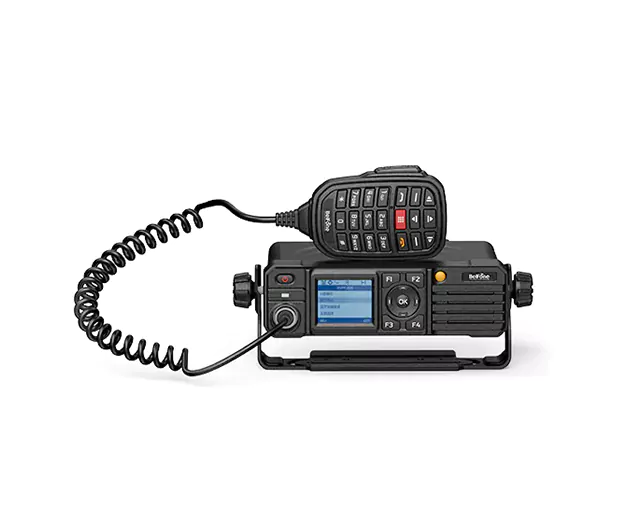
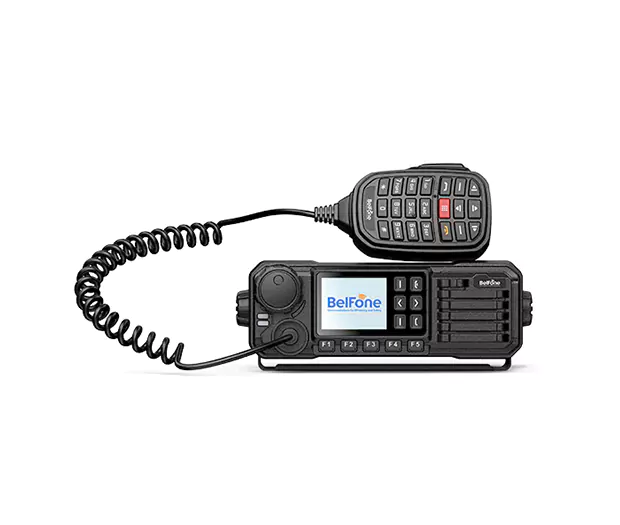
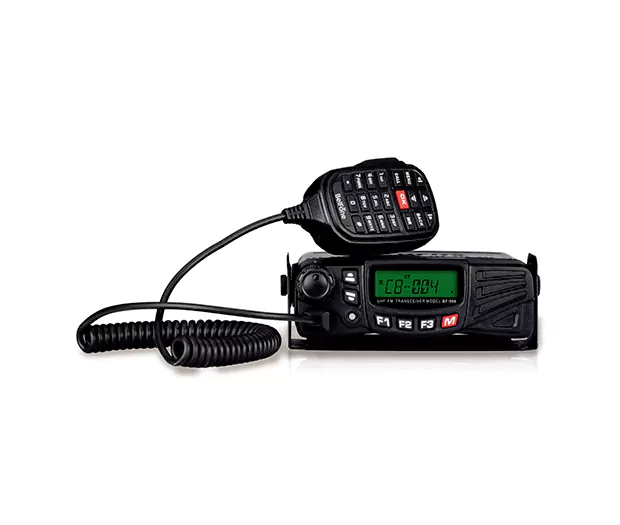
In the taxi industry, where real-time communication, operational efficiency, and driver safety are paramount, mobile radios (car-mounted walkie-talkies) have long been an indispensable tool. Unlike mobile phones that rely on public cellular networks—often unstable in remote areas or during peak hours—mobile radios provide instant, reliable two-way communication, adapting perfectly to the dynamic and fast-paced nature of taxi operations. Their applications cover multiple aspects of taxi services, bringing practical benefits to drivers, taxi companies, and even passengers.
One of the most common and vital applications of mobile radios in the taxi industry is real-time passenger resource sharing. Taxi drivers often face the problem of empty driving, which wastes fuel and reduces income. With mobile radios, drivers can communicate with each other or the dispatch center to share passenger information. For example, if a driver picks up a passenger heading to a distant location, they can inform other drivers in the area about potential return passengers; similarly, drivers who encounter a passenger needing a ride but are already occupied can pass the information to nearby empty taxis. This resource sharing significantly reduces empty driving rates, improves the utilization of taxi resources, and increases drivers’ income.
Another key application is efficient dispatch and route guidance. Taxi companies usually set up a dispatch center that communicates with all on-road taxis via mobile radios. When a passenger calls for a taxi or books one through an app, the dispatch center can quickly locate the nearest empty taxi via the radio, issue dispatch instructions, and provide real-time route guidance. This not only shortens the passenger’s waiting time but also helps drivers avoid congested roads, saving time and fuel costs. In case of sudden road closures, traffic accidents, or bad weather, the dispatch center can also promptly notify all drivers via the radio, helping them adjust routes in a timely manner and ensure smooth operations.
Mobile radios also play a crucial role in driver safety and emergency assistance. Taxi drivers often work alone, especially during late nights or in remote areas, facing potential safety risks such as conflicts with passengers, vehicle breakdowns, or emergencies. When encountering danger or difficulties, drivers can use the mobile radio to call for help from the dispatch center or nearby fellow drivers immediately. The dispatch center can quickly respond, contact the police or emergency services if necessary, and coordinate nearby drivers to provide assistance. This instant emergency communication provides a sense of security for drivers and effectively reduces safety risks in their work.
Additionally, mobile radios facilitate internal communication and information notification within the taxi industry. Taxi companies can use the radio system to issue announcements to all drivers, such as updates on taxi fares, changes in operation regulations, safety training reminders, or notices about special events (such as large-scale concerts, sports games, or airport/train station passenger peaks). This ensures that all drivers can receive important information in a timely manner, standardizing operational behavior and improving service quality. Drivers can also communicate with each other to share experiences, such as road conditions, passenger preferences, or tips for improving service, fostering a collaborative working environment.
Compared to other communication tools, mobile radios have unique advantages in the taxi industry: they are easy to operate, require no monthly communication fees, and maintain stable signals even in areas with poor cellular coverage. They do not rely on power-hungry smartphones, ensuring continuous communication throughout the driver’s shift. Although with the development of smart taxi dispatch systems, some functions have been supplemented by mobile apps, mobile radios remain irreplaceable due to their instantaneity, reliability, and simplicity.
In conclusion, mobile radios have become an integral part of the taxi industry, playing a key role in passenger resource sharing, efficient dispatch, driver safety, and internal communication. They not only improve the operational efficiency and economic benefits of taxi companies and drivers but also enhance the overall service quality and passenger experience. As the taxi industry continues to develop, mobile radios will still be a reliable communication tool, adapting to new operational needs and contributing to the healthy development of the industry.
One of the most common and vital applications of mobile radios in the taxi industry is real-time passenger resource sharing. Taxi drivers often face the problem of empty driving, which wastes fuel and reduces income. With mobile radios, drivers can communicate with each other or the dispatch center to share passenger information. For example, if a driver picks up a passenger heading to a distant location, they can inform other drivers in the area about potential return passengers; similarly, drivers who encounter a passenger needing a ride but are already occupied can pass the information to nearby empty taxis. This resource sharing significantly reduces empty driving rates, improves the utilization of taxi resources, and increases drivers’ income.
Another key application is efficient dispatch and route guidance. Taxi companies usually set up a dispatch center that communicates with all on-road taxis via mobile radios. When a passenger calls for a taxi or books one through an app, the dispatch center can quickly locate the nearest empty taxi via the radio, issue dispatch instructions, and provide real-time route guidance. This not only shortens the passenger’s waiting time but also helps drivers avoid congested roads, saving time and fuel costs. In case of sudden road closures, traffic accidents, or bad weather, the dispatch center can also promptly notify all drivers via the radio, helping them adjust routes in a timely manner and ensure smooth operations.
Mobile radios also play a crucial role in driver safety and emergency assistance. Taxi drivers often work alone, especially during late nights or in remote areas, facing potential safety risks such as conflicts with passengers, vehicle breakdowns, or emergencies. When encountering danger or difficulties, drivers can use the mobile radio to call for help from the dispatch center or nearby fellow drivers immediately. The dispatch center can quickly respond, contact the police or emergency services if necessary, and coordinate nearby drivers to provide assistance. This instant emergency communication provides a sense of security for drivers and effectively reduces safety risks in their work.
Additionally, mobile radios facilitate internal communication and information notification within the taxi industry. Taxi companies can use the radio system to issue announcements to all drivers, such as updates on taxi fares, changes in operation regulations, safety training reminders, or notices about special events (such as large-scale concerts, sports games, or airport/train station passenger peaks). This ensures that all drivers can receive important information in a timely manner, standardizing operational behavior and improving service quality. Drivers can also communicate with each other to share experiences, such as road conditions, passenger preferences, or tips for improving service, fostering a collaborative working environment.
Compared to other communication tools, mobile radios have unique advantages in the taxi industry: they are easy to operate, require no monthly communication fees, and maintain stable signals even in areas with poor cellular coverage. They do not rely on power-hungry smartphones, ensuring continuous communication throughout the driver’s shift. Although with the development of smart taxi dispatch systems, some functions have been supplemented by mobile apps, mobile radios remain irreplaceable due to their instantaneity, reliability, and simplicity.
In conclusion, mobile radios have become an integral part of the taxi industry, playing a key role in passenger resource sharing, efficient dispatch, driver safety, and internal communication. They not only improve the operational efficiency and economic benefits of taxi companies and drivers but also enhance the overall service quality and passenger experience. As the taxi industry continues to develop, mobile radios will still be a reliable communication tool, adapting to new operational needs and contributing to the healthy development of the industry.





Technical support: Longcai Technology
