


Functional Characteristics of Dedicated Communication Systems
release date:2025-10-29
I. Mobility
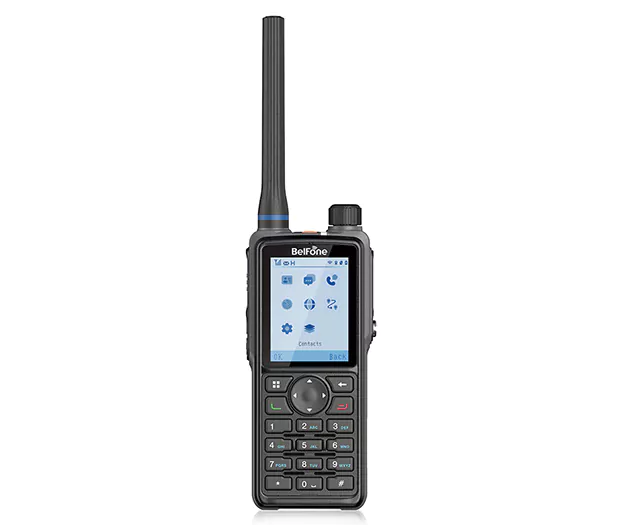
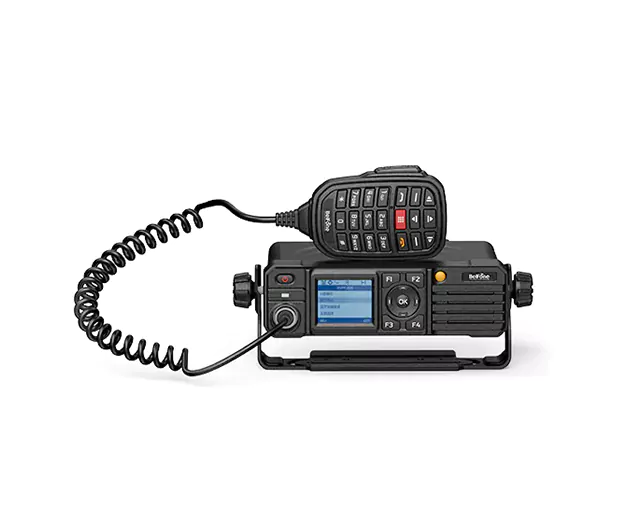
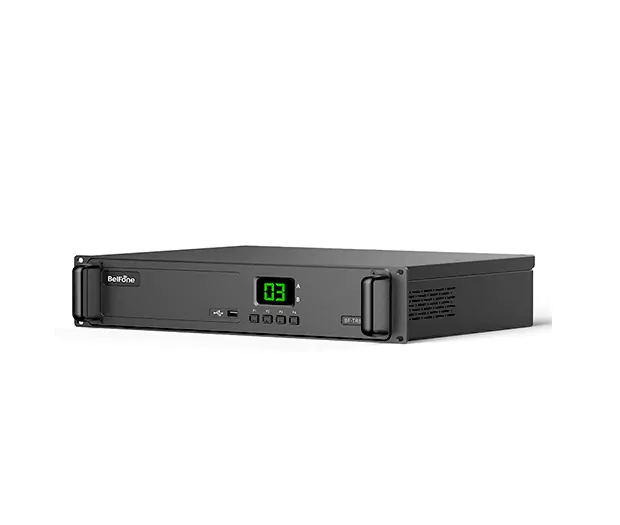
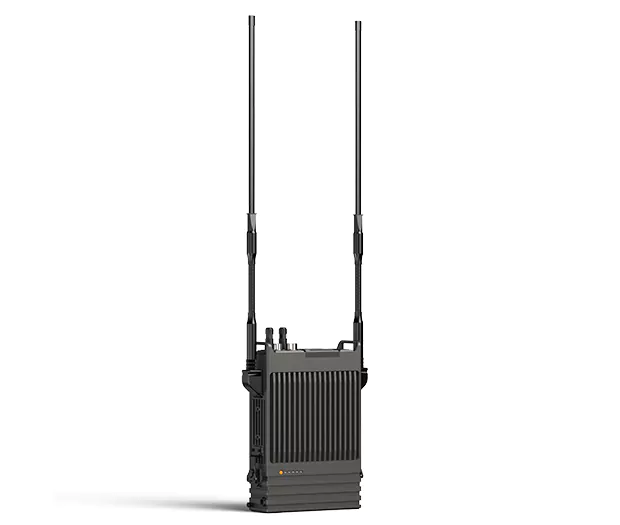
Radio transceivers themselves serve as portable terminals, enabling end-to-end offline operation and providing highly suitable for harsh environments. Additionally, complementary equipment includes large fixed base stations as well as portable mobile units such as vehicle-mounted radios and backpack-mounted mobile stations, greatly facilitating deployment across diverse communication scenarios.
II. Compact Design
Unlike public network equipment, private networks based on two-way radios feature easy installation and relatively simple hardware. This not only enhances system mobility but also enables better compliance with energy-saving requirements, making them suitable for deployment in scenarios with severely damaged infrastructure.
III. Energy Efficiency
In emergency scenarios where power supply is unreliable, relying solely on battery power is impractical for systems based on public networks. Our walkie-talkie systems, however, easily meet these demands. Equipping emergency command vehicles with compact generators, solar power storage units, and backup batteries suffices to power the walkie-talkie system.
IV. Easy Installation
Emergency systems based on wireless walkie-talkies feature simple equipment, intuitive operation, and easy maintenance, enabling rapid establishment, deployment, and networking. The user interface is user-friendly and straightforward, with minimal hardware connection ports. Additionally, all interfaces are standardized and modularized, facilitating seamless interoperability with existing communication systems.





Technical support: Longcai Technology
