


 Home
>
News
>
Blog
>
Keeping the Mountain and Field Networks Connected: Wireless Communications Comprehensively Support Routine Forest and Grassland Patrol and Management Work
Home
>
News
>
Blog
>
Keeping the Mountain and Field Networks Connected: Wireless Communications Comprehensively Support Routine Forest and Grassland Patrol and Management WorkKeeping the Mountain and Field Networks Connected: Wireless Communications Comprehensively Support Routine Forest and Grassland Patrol and Management Work
release date:2026-09-21
Forests, grasslands, and protected natural areas are the core vehicles of ecological stewardship. They generally feature vast territories, complex terrain, dense mountains and forests, and sparse populations. Traditional forest and grassland patrol and management work has long faced prominent problems such as insufficient public network coverage in the field, severe signal obstruction by mountains and trees, and numerous communications blind spots. When forest rangers and management personnel go deep into remote mountain hinterlands and distant grasslands for routine patrol operations, they can easily fall into the predicament of "no signal upon entering the mountains, no communications during patrols, and no way to report conditions." This not only leads to low daily management efficiency and delayed hazard response, but also poses significant safety risks for field operations. With their unique advantages of flexible deployment, no dependence on wired infrastructure, adaptability to complex field environments, and round-the-clock stable operation, wireless communications have become the core support for breaking through field patrol communications blind spots, standardizing routine management procedures, and safeguarding personnel operational safety, forging a communications foundation for routine, refined, and intelligent management in the forest and grassland industry.
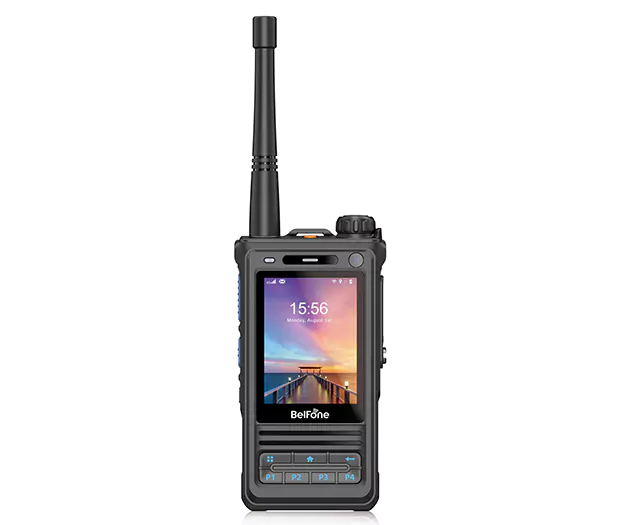
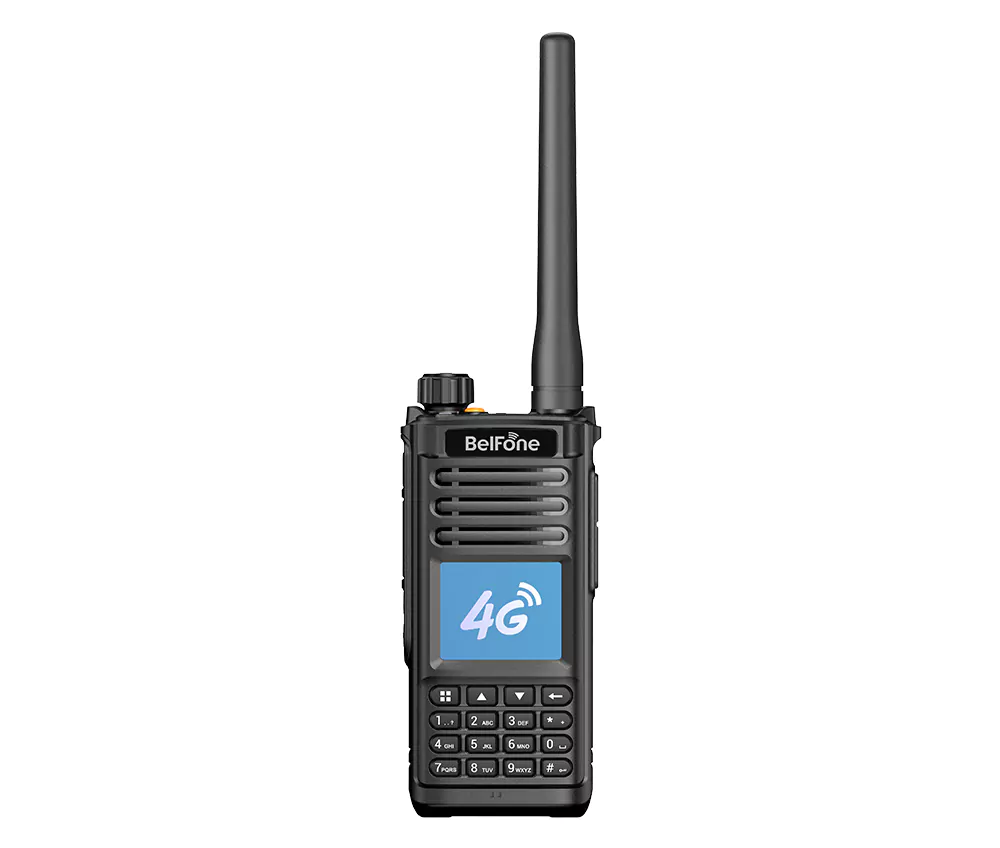
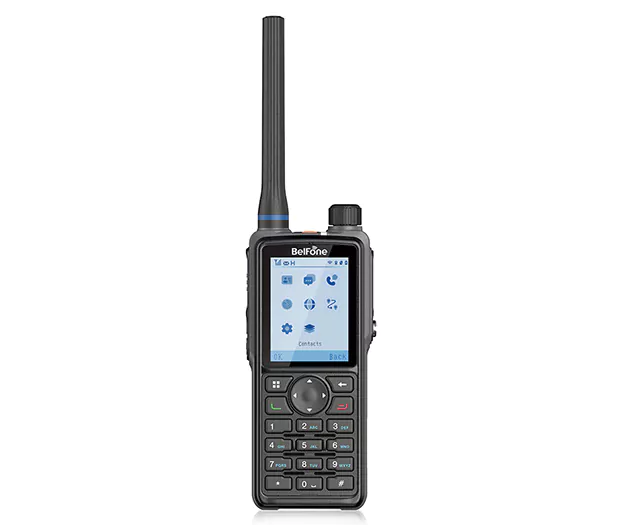
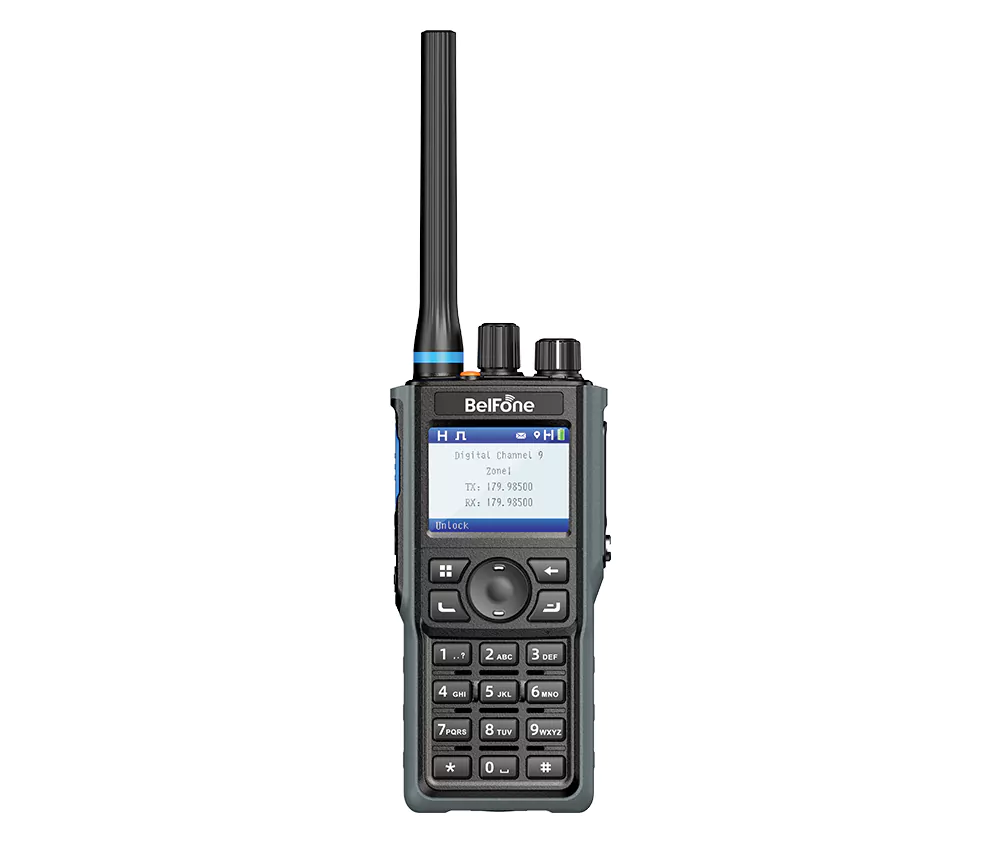
Wireless communications resolve the field no-network challenge and achieve full interconnection throughout patrol operations. Traditional public mobile networks have numerous signal blank areas in high mountains and dense forests, remote grasslands, and deep protected zones, and conventional communications methods cannot meet the needs of long-distance, full-coverage patrol coordination. Relying on digital trunking radios, public-private converged communications, lightweight self-organizing networks, and other wireless communication equipment, dedicated forest and grassland management networks can be built, completely eliminating dependence on public network base stations and wired optical cables. During operations such as daily mountain and forest inspections, boundary patrols, vegetation monitoring, and forest hazard inspections, management personnel can achieve real-time communication within teams and cross-site collaborative communication, synchronizing patrol progress and exchanging on-site conditions at any time and place. Compared with the traditional lagging mode of returning to report manually, wireless communications enable real-time information exchange for field operations, completely resolving the industry pain point of "unable to call and unable to connect" during deep-mountain patrols and enabling patrol forces scattered across vast mountain and field areas to achieve efficient coordination.
Standardizing refined management procedures to achieve dynamic hazard reporting and closed-loop handling. Routine forest and grassland patrols cover multiple inspection contents, including forest fire hazard inspections, illegal logging, unauthorized grazing, open-air fires, vegetation pests and diseases, and ecological damage. Various hazards are characterized by randomness and strong concealment. Without communications support, patrol personnel cannot report hazards immediately upon discovery, easily missing the optimal response window and allowing minor hazards to escalate into major problems. With the help of full-coverage wireless communication links, patrol personnel can upload hazard locations, on-site photos, and video materials in real time at the work site, precisely feeding back problem types and risk levels. Rear management command centers can receive area-wide patrol information in real time, precisely assess on-site conditions, quickly issue response directives, and dispatch nearby personnel for coordinated handling, forming a refined management model of "on-site discovery, real-time reporting, remote dispatch, and closed-loop rectification," greatly enhancing the routine control capacity for forest and grassland resources.
Empowering intelligent patrol management to make management work traceable and supervisable. Traditional forest and grassland patrols suffer from management loopholes such as non-standard patrol trajectories, inadequate duty implementation, and difficult control of patrol blind spots. Integrating wireless communications with BeiDou positioning technology enables real-time backhaul of patrol personnel trajectories, precise recording of patrol points, and dynamic monitoring of on-duty status. Command platforms can grasp in real time the patrol coverage of each area, personnel on-duty status, and task completion progress, effectively eliminating problems such as missed patrols, absence from posts, and inadequate inspections, achieving standardized, normalized, and traceable management of patrol work. At the same time, for key forest areas, ecological red-line zones, and remote management points, fixed wireless relay nodes can be deployed relying on watchtowers and management stations, paired with photovoltaic power supply systems, to achieve 24-hour uninterrupted networking, continuously eliminating communications blind spots in deep mountains and dense forests, and building a full-coverage patrol communications network without blind spots.
Shoring up the field operation safety defense line to safeguard the personal safety of management personnel in all respects. Forest and grassland patrols are mostly conducted in complex terrain and rarely visited field areas, where mountain roads are rugged and weather is changeable, making sudden situations such as personnel getting lost, falling and injuring themselves, or being trapped by extreme weather highly likely. In the past, when field personnel encountered danger, they could not call for help due to communications interruption, and rescue response lagged, resulting in extremely high safety risks. Relying on stable wireless private network communications, frontline management personnel can maintain round-the-clock online duty. When encountering sudden dangers, physical discomfort, or being lost and trapped, they can trigger an emergency distress call with one click and upload precise location information in real time. Rear command personnel can immediately grasp the distress location and carry out precise rescue, greatly shortening emergency response time and minimizing field operation safety risks, forging a solid safety safeguard for patrol personnel's mountain and field operations.
Overall, wireless communications are the basic informatization foundation for routine forest and grassland patrol and management work. They effectively resolve numerous challenges in complex field environments, including poor communications, weak control, lagging response, and lack of safety assurance. They not only open up the information links for mountain and field patrols and standardize routine management procedures, but also build a full-coverage, stable, reliable, intelligent, and efficient routine management system, continuously improving the refined management level of forest and grassland resources. This provides solid communications support for safeguarding forest and grassland ecological security and shoring up regional ecological barriers.
Wireless communications resolve the field no-network challenge and achieve full interconnection throughout patrol operations. Traditional public mobile networks have numerous signal blank areas in high mountains and dense forests, remote grasslands, and deep protected zones, and conventional communications methods cannot meet the needs of long-distance, full-coverage patrol coordination. Relying on digital trunking radios, public-private converged communications, lightweight self-organizing networks, and other wireless communication equipment, dedicated forest and grassland management networks can be built, completely eliminating dependence on public network base stations and wired optical cables. During operations such as daily mountain and forest inspections, boundary patrols, vegetation monitoring, and forest hazard inspections, management personnel can achieve real-time communication within teams and cross-site collaborative communication, synchronizing patrol progress and exchanging on-site conditions at any time and place. Compared with the traditional lagging mode of returning to report manually, wireless communications enable real-time information exchange for field operations, completely resolving the industry pain point of "unable to call and unable to connect" during deep-mountain patrols and enabling patrol forces scattered across vast mountain and field areas to achieve efficient coordination.
Standardizing refined management procedures to achieve dynamic hazard reporting and closed-loop handling. Routine forest and grassland patrols cover multiple inspection contents, including forest fire hazard inspections, illegal logging, unauthorized grazing, open-air fires, vegetation pests and diseases, and ecological damage. Various hazards are characterized by randomness and strong concealment. Without communications support, patrol personnel cannot report hazards immediately upon discovery, easily missing the optimal response window and allowing minor hazards to escalate into major problems. With the help of full-coverage wireless communication links, patrol personnel can upload hazard locations, on-site photos, and video materials in real time at the work site, precisely feeding back problem types and risk levels. Rear management command centers can receive area-wide patrol information in real time, precisely assess on-site conditions, quickly issue response directives, and dispatch nearby personnel for coordinated handling, forming a refined management model of "on-site discovery, real-time reporting, remote dispatch, and closed-loop rectification," greatly enhancing the routine control capacity for forest and grassland resources.
Empowering intelligent patrol management to make management work traceable and supervisable. Traditional forest and grassland patrols suffer from management loopholes such as non-standard patrol trajectories, inadequate duty implementation, and difficult control of patrol blind spots. Integrating wireless communications with BeiDou positioning technology enables real-time backhaul of patrol personnel trajectories, precise recording of patrol points, and dynamic monitoring of on-duty status. Command platforms can grasp in real time the patrol coverage of each area, personnel on-duty status, and task completion progress, effectively eliminating problems such as missed patrols, absence from posts, and inadequate inspections, achieving standardized, normalized, and traceable management of patrol work. At the same time, for key forest areas, ecological red-line zones, and remote management points, fixed wireless relay nodes can be deployed relying on watchtowers and management stations, paired with photovoltaic power supply systems, to achieve 24-hour uninterrupted networking, continuously eliminating communications blind spots in deep mountains and dense forests, and building a full-coverage patrol communications network without blind spots.
Shoring up the field operation safety defense line to safeguard the personal safety of management personnel in all respects. Forest and grassland patrols are mostly conducted in complex terrain and rarely visited field areas, where mountain roads are rugged and weather is changeable, making sudden situations such as personnel getting lost, falling and injuring themselves, or being trapped by extreme weather highly likely. In the past, when field personnel encountered danger, they could not call for help due to communications interruption, and rescue response lagged, resulting in extremely high safety risks. Relying on stable wireless private network communications, frontline management personnel can maintain round-the-clock online duty. When encountering sudden dangers, physical discomfort, or being lost and trapped, they can trigger an emergency distress call with one click and upload precise location information in real time. Rear command personnel can immediately grasp the distress location and carry out precise rescue, greatly shortening emergency response time and minimizing field operation safety risks, forging a solid safety safeguard for patrol personnel's mountain and field operations.
Overall, wireless communications are the basic informatization foundation for routine forest and grassland patrol and management work. They effectively resolve numerous challenges in complex field environments, including poor communications, weak control, lagging response, and lack of safety assurance. They not only open up the information links for mountain and field patrols and standardize routine management procedures, but also build a full-coverage, stable, reliable, intelligent, and efficient routine management system, continuously improving the refined management level of forest and grassland resources. This provides solid communications support for safeguarding forest and grassland ecological security and shoring up regional ecological barriers.





Technical support: Longcai Technology
