


The Indispensable Application of Walkie Talkies in Construction Sites
release date:2026-01-31
Construction sites are dynamic, high-paced environments characterized by scattered teams, heavy machinery, tight schedules, and inherent safety risks—making reliable, instant communication a non-negotiable requirement for smooth operations and worker protection. Walkie talkies, with their portability, durability, and real-time connectivity, have emerged as the backbone of on-site communication, outperforming smartphones and other devices by adapting seamlessly to the harsh, decentralized nature of construction work. From coordinating daily tasks and managing heavy equipment to responding to emergencies and ensuring regulatory compliance, walkie talkies play a multifaceted role in streamlining operations, reducing risks, and keeping construction projects on track.
One of the primary applications of walkie talkies on construction sites is coordinating scattered teams and daily workflows. Construction projects involve multiple specialized teams working simultaneously across different areas—such as foundation workers, electricians, plumbers, carpenters, painters, and site supervisors—often separated by distances, walls, or heavy machinery that block visual contact. Walkie talkies eliminate delays caused by traveling back and forth to relay messages, allowing instant communication between teams regardless of their location. For example, a site supervisor can use a walkie talkie to instruct the foundation crew to adjust their work based on new blueprints, notify the electrical team when a section is ready for wiring, or coordinate with the delivery team to unload materials at a safe, unobstructed location. This real-time coordination minimizes downtime, prevents miscommunication, and ensures that all teams work in sync, reducing costly delays and rework.
Walkie talkies are also critical for managing heavy machinery and ensuring operational safety—a top priority on any construction site. Heavy equipment such as cranes, excavators, bulldozers, and forklifts requires close coordination between operators and ground personnel to avoid accidents. Crane operators, for instance, often work high above the ground with limited visibility, relying entirely on signals from ground crew members. Walkie talkies allow ground staff to communicate instantaneously with operators: they can direct the crane’s movement, alert operators to nearby workers or obstacles, and pause operations if a hazard is detected—eliminating the need for hand signals that can be misinterpreted or missed in noisy, busy environments. Similarly, forklift operators can use walkie talkies to notify other teams when transporting materials through narrow corridors or crowded work zones, preventing collisions and ensuring smooth material flow.
Emergency response is another vital application of walkie talkies in construction, where accidents—such as falls, equipment malfunctions, or structural hazards—can occur unexpectedly. In such situations, every second counts, and walkie talkies provide a direct, reliable way to alert emergency personnel (first aid teams, site safety officers) and coordinate a rapid response. A worker who witnesses an accident can immediately radio for help, providing details about the location and nature of the emergency—ensuring that first aid arrives quickly and that the area is secured to prevent further harm. Walkie talkies also allow site supervisors to issue mass alerts to all workers in case of a major hazard, such as a structural collapse, fire, or severe weather, enabling everyone to evacuate safely and efficiently. Unlike smartphones, which may have spotty service or require dialing, walkie talkies offer instant, one-touch communication that works even in areas with no cellular coverage—critical for construction sites in remote locations or multi-story buildings where signals are weak.
Walkie talkies also support site safety management and regulatory compliance, helping construction companies adhere to safety standards and avoid penalties. Site safety officers can use walkie talkies to conduct regular safety checks, remind workers to wear personal protective equipment (PPE), and address safety violations immediately. For example, if a safety officer notices a worker not wearing a hard hat or harness, they can radio the worker directly to correct the issue, rather than traveling to their location—saving time and ensuring that safety protocols are enforced promptly. Additionally, walkie talkies can be used to document safety communications (via voice recordings on some models), providing a record of safety reminders and emergency responses that may be required for regulatory audits.
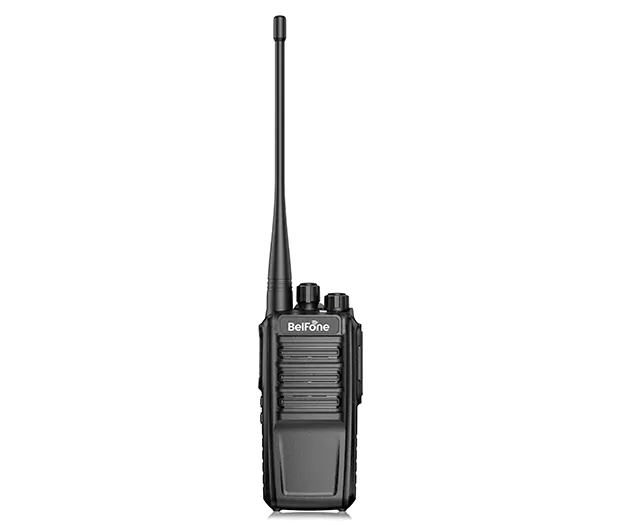
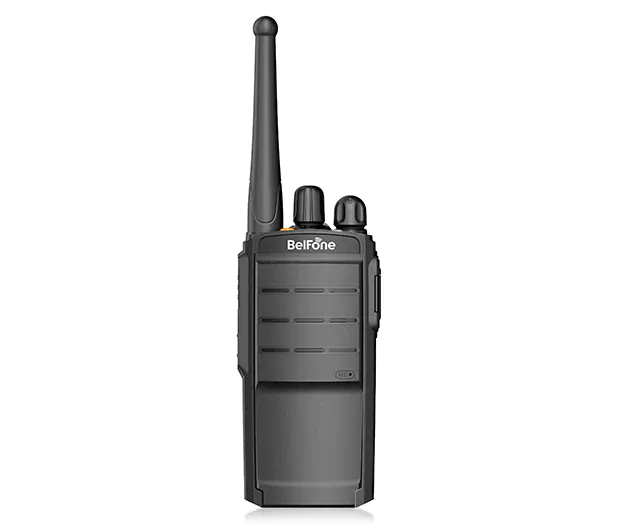
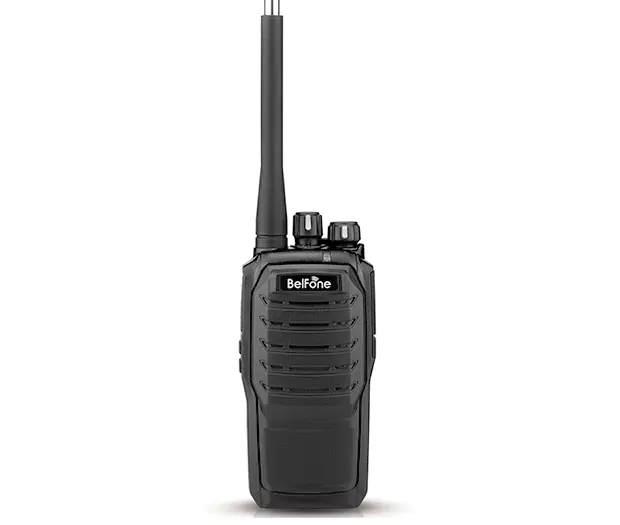
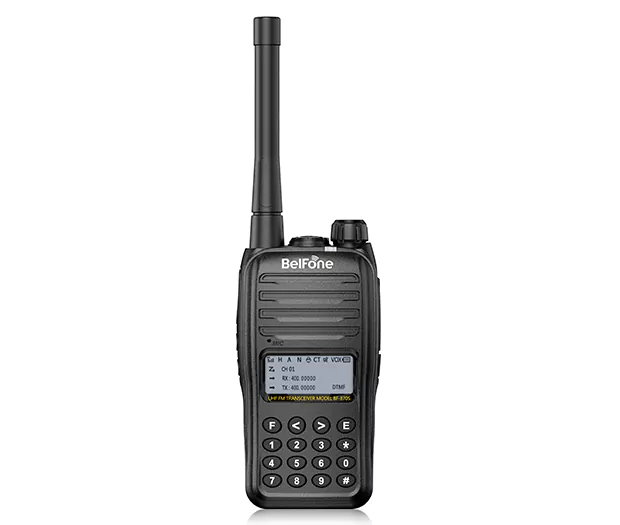
In large-scale construction projects—such as high-rise buildings, highways, or industrial facilities—walkie talkies are often integrated with repeaters to extend their communication range, ensuring that teams working on different floors, sections, or even different parts of a large site can stay connected. Many construction-grade walkie talkies also come with features tailored to工地 conditions: they are rugged, dust-proof, and water-resistant (IP-rated) to withstand exposure to dirt, debris, and inclement weather; they have loud, clear speakers to cut through the noise of heavy machinery and construction activity; and they offer long battery life to last a full workday, with rechargeable batteries that can be swapped out quickly during shifts.
Beyond these practical applications, walkie talkies also improve overall productivity by reducing downtime and streamlining communication. Instead of wasting time searching for team members or waiting for phone calls to be answered, workers can focus on their tasks, knowing that they can communicate instantly if they need help, have a question, or need to coordinate with another team. This efficiency translates to faster project completion, lower labor costs, and improved client satisfaction.
In summary, walkie talkies are an indispensable tool in construction sites, serving as the lifeline of communication that connects teams, manages equipment, ensures safety, and streamlines operations. Their durability, portability, and instant connectivity make them perfectly suited to the harsh, dynamic nature of construction work—outperforming other communication devices in reliability and functionality. For construction companies looking to improve safety, efficiency, and coordination, walkie talkies are not just a convenience—they are a critical investment that protects workers, reduces costs, and keeps projects on schedule.
One of the primary applications of walkie talkies on construction sites is coordinating scattered teams and daily workflows. Construction projects involve multiple specialized teams working simultaneously across different areas—such as foundation workers, electricians, plumbers, carpenters, painters, and site supervisors—often separated by distances, walls, or heavy machinery that block visual contact. Walkie talkies eliminate delays caused by traveling back and forth to relay messages, allowing instant communication between teams regardless of their location. For example, a site supervisor can use a walkie talkie to instruct the foundation crew to adjust their work based on new blueprints, notify the electrical team when a section is ready for wiring, or coordinate with the delivery team to unload materials at a safe, unobstructed location. This real-time coordination minimizes downtime, prevents miscommunication, and ensures that all teams work in sync, reducing costly delays and rework.
Walkie talkies are also critical for managing heavy machinery and ensuring operational safety—a top priority on any construction site. Heavy equipment such as cranes, excavators, bulldozers, and forklifts requires close coordination between operators and ground personnel to avoid accidents. Crane operators, for instance, often work high above the ground with limited visibility, relying entirely on signals from ground crew members. Walkie talkies allow ground staff to communicate instantaneously with operators: they can direct the crane’s movement, alert operators to nearby workers or obstacles, and pause operations if a hazard is detected—eliminating the need for hand signals that can be misinterpreted or missed in noisy, busy environments. Similarly, forklift operators can use walkie talkies to notify other teams when transporting materials through narrow corridors or crowded work zones, preventing collisions and ensuring smooth material flow.
Emergency response is another vital application of walkie talkies in construction, where accidents—such as falls, equipment malfunctions, or structural hazards—can occur unexpectedly. In such situations, every second counts, and walkie talkies provide a direct, reliable way to alert emergency personnel (first aid teams, site safety officers) and coordinate a rapid response. A worker who witnesses an accident can immediately radio for help, providing details about the location and nature of the emergency—ensuring that first aid arrives quickly and that the area is secured to prevent further harm. Walkie talkies also allow site supervisors to issue mass alerts to all workers in case of a major hazard, such as a structural collapse, fire, or severe weather, enabling everyone to evacuate safely and efficiently. Unlike smartphones, which may have spotty service or require dialing, walkie talkies offer instant, one-touch communication that works even in areas with no cellular coverage—critical for construction sites in remote locations or multi-story buildings where signals are weak.
Walkie talkies also support site safety management and regulatory compliance, helping construction companies adhere to safety standards and avoid penalties. Site safety officers can use walkie talkies to conduct regular safety checks, remind workers to wear personal protective equipment (PPE), and address safety violations immediately. For example, if a safety officer notices a worker not wearing a hard hat or harness, they can radio the worker directly to correct the issue, rather than traveling to their location—saving time and ensuring that safety protocols are enforced promptly. Additionally, walkie talkies can be used to document safety communications (via voice recordings on some models), providing a record of safety reminders and emergency responses that may be required for regulatory audits.
In large-scale construction projects—such as high-rise buildings, highways, or industrial facilities—walkie talkies are often integrated with repeaters to extend their communication range, ensuring that teams working on different floors, sections, or even different parts of a large site can stay connected. Many construction-grade walkie talkies also come with features tailored to工地 conditions: they are rugged, dust-proof, and water-resistant (IP-rated) to withstand exposure to dirt, debris, and inclement weather; they have loud, clear speakers to cut through the noise of heavy machinery and construction activity; and they offer long battery life to last a full workday, with rechargeable batteries that can be swapped out quickly during shifts.
Beyond these practical applications, walkie talkies also improve overall productivity by reducing downtime and streamlining communication. Instead of wasting time searching for team members or waiting for phone calls to be answered, workers can focus on their tasks, knowing that they can communicate instantly if they need help, have a question, or need to coordinate with another team. This efficiency translates to faster project completion, lower labor costs, and improved client satisfaction.
In summary, walkie talkies are an indispensable tool in construction sites, serving as the lifeline of communication that connects teams, manages equipment, ensures safety, and streamlines operations. Their durability, portability, and instant connectivity make them perfectly suited to the harsh, dynamic nature of construction work—outperforming other communication devices in reliability and functionality. For construction companies looking to improve safety, efficiency, and coordination, walkie talkies are not just a convenience—they are a critical investment that protects workers, reduces costs, and keeps projects on schedule.





Technical support: Longcai Technology
