


 Home
>
News
>
Blog
>
Shoring Up the Resettlement Defense Line: Wireless Communications Support the Stable Operation of Post-Disaster Transitional Resettlement
Home
>
News
>
Blog
>
Shoring Up the Resettlement Defense Line: Wireless Communications Support the Stable Operation of Post-Disaster Transitional ResettlementShoring Up the Resettlement Defense Line: Wireless Communications Support the Stable Operation of Post-Disaster Transitional Resettlement
release date:2026-09-21
Once the emergency rescue phase of a natural disaster has concluded, the affected area formally enters the critically important transitional resettlement stage. This stage is a key buffer period linking emergency rescue and long-term post-disaster reconstruction. At this point, fixed communication infrastructure in the region has not yet been fully restored, and public networks still suffer from weak signals, insufficient capacity, and frequent congestion. Large numbers of affected residents are concentrated in temporary resettlement sites, where population density is high, the environment is complex, and demand for public services is concentrated, placing enormous pressure on public security, livelihood support, and disaster prevention and control. With their unique advantages of easy deployment, strong stability, and independence from wired infrastructure constraints, wireless communications have become the core safeguard for post-disaster transitional resettlement, forging a solid information foundation for the safe and orderly operation of resettlement areas, the stability of residents' lives, and the prevention and control of secondary disasters.
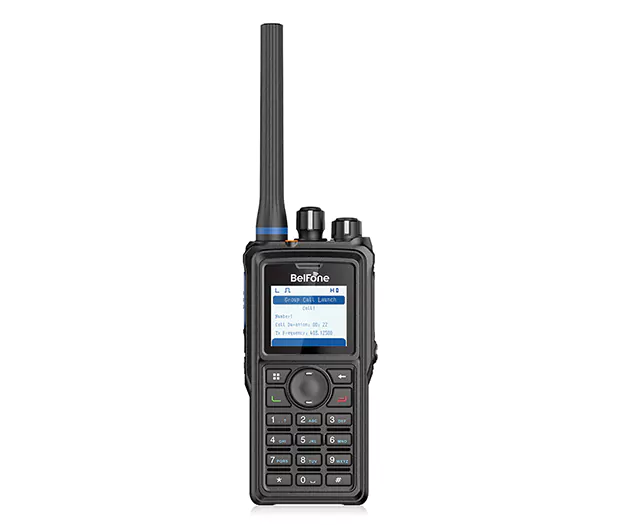
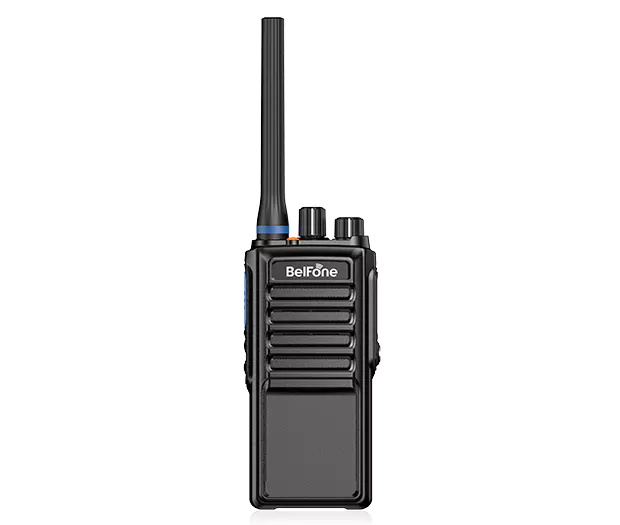
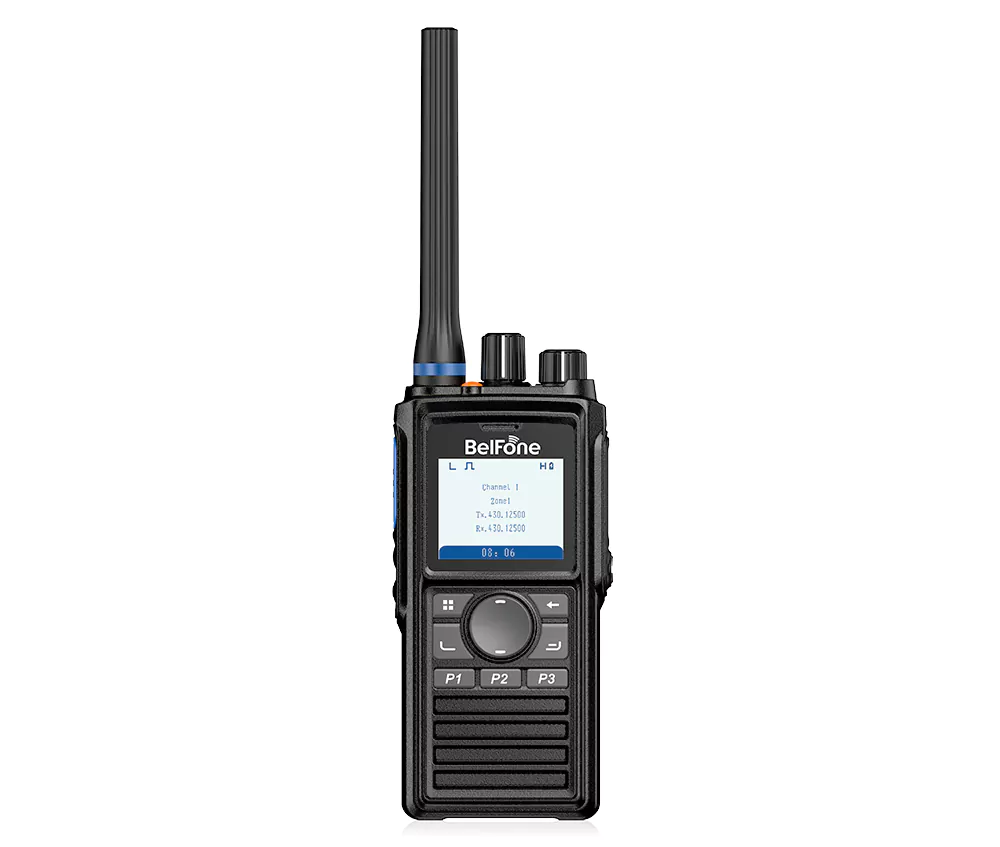
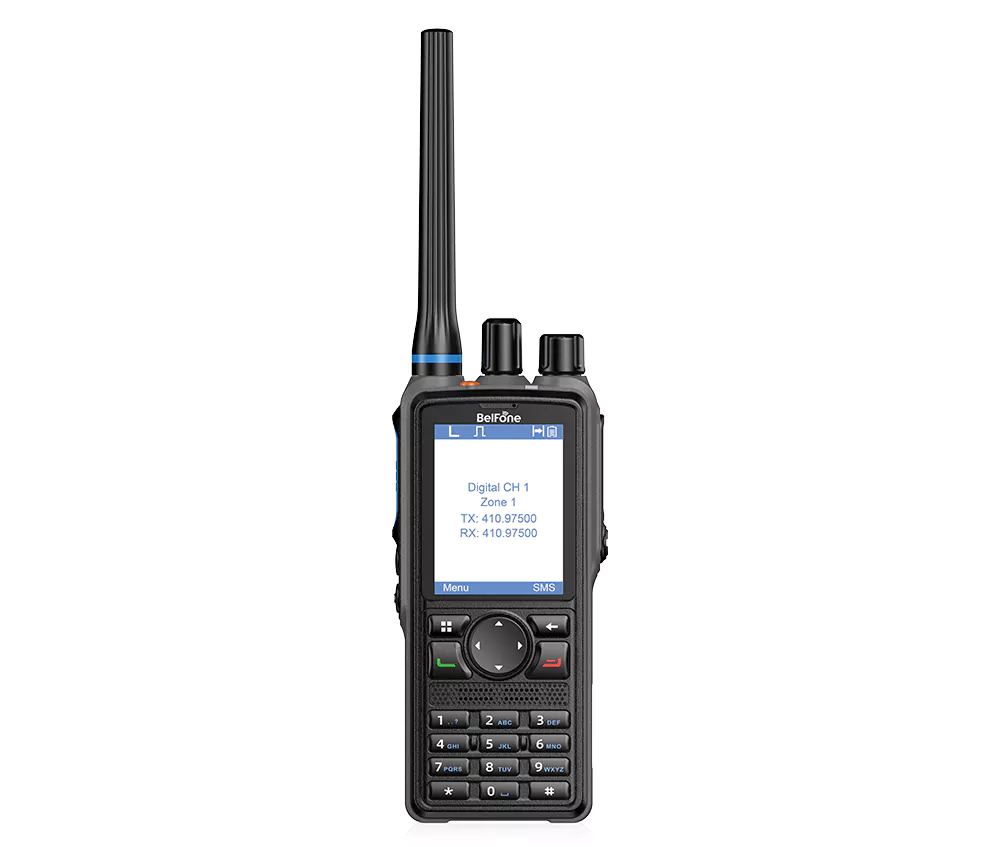
In centralized resettlement areas, people are highly concentrated, and daily management, livelihood services, and security prevention and control are complex and demanding. Efficient internal coordination is the key to stabilizing resettlement order. The absence of traditional communication methods can easily lead to disconnects between management authority and responsibility in resettlement areas, delayed transmission of directives, and problems such as chaotic supply distribution, lapses in personnel control, and slow emergency response. Relying on digital walkie-talkies, private-network wireless communications, and other equipment, resettlement area managers, security personnel, medical staff, and logistics support personnel can build dedicated communication networks to achieve round-the-clock, area-wide interoperability. In daily work such as personnel roll calls, floating population checks, distribution of daily necessities, drinking water and electricity supply, and patrols of public areas, staff can synchronize work progress in real time, report sudden problems, and coordinate dispatched resources, enabling refined and routine management of resettlement areas, effectively avoiding management loopholes, and ensuring orderly resettlement.
Ensuring unimpeded basic communications for affected residents is an important livelihood measure for stabilizing public sentiment and soothing emotions. After a disaster, residents who have lost contact with relatives and friends and are cut off from outside information are highly prone to negative emotions such as anxiety and panic, which can affect the overall stability of resettlement areas. Because the original communication base stations and lines in the disaster area require a long repair cycle, public mobile networks cannot quickly achieve full coverage and stable capacity. Portable emergency base stations and lightweight wireless communication equipment can be rapidly deployed in resettlement areas to quickly restore stable public network signals, resolving problems such as public network collapse, weak signals, difficulty making calls, and sluggish internet access. This enables affected residents to call their families at any time to reassure them, check disaster information, and learn about reconstruction policies, opening up the information channel between the disaster area and the outside world, effectively alleviating residents' psychological pressure, and fostering a calm and orderly resettlement atmosphere.
Preventing and controlling the risk of secondary disasters is the core safety task during the transitional resettlement stage, and wireless communications are the core support for risk early warning and emergency response. After disasters such as floods, earthquakes, and typhoons, mountainsides become unstable, river water levels fluctuate, dams come under pressure, and localized aftershocks occur frequently. Hidden dangers of secondary disasters such as landslides, flash floods, and dam breaches persist over the long term, constantly threatening the lives of residents and staff in resettlement areas. In response to the complex post-disaster environment, wireless IoT sensor devices can be used to deploy intelligent monitoring points around resettlement areas on mountainsides, in river channels, on slopes, and in low-lying areas, requiring no cabling or construction, with efficient deployment and strong adaptability. Various monitoring devices collect key information such as geological displacement, water level changes, and meteorological data in real time and transmit it back to the monitoring platform through wireless transmission networks, achieving 24-hour uninterrupted dynamic monitoring. Once data exceeds safety thresholds, the system can issue early warning signals immediately, and staff can quickly receive the information, activate evacuation plans, and guide residents to relocate, buying valuable time for secondary disaster response and safeguarding the safety of personnel in resettlement areas in all respects.
At the same time, wireless communications can support the handling of sudden emergencies in resettlement areas, shoring up the safety bottom line. During transitional resettlement, densely populated environments are prone to sudden incidents such as acute illness, fires, stampedes, and extreme weather, and rapid response and efficient handling are key. Relying on a fully covered wireless private network, on-site patrol personnel who discover a dangerous situation can report it with one click and coordinate in real time, quickly connecting with medical rescue, fire services, security, and other emergency forces to achieve rapid reporting of dangers, rapid dispatch of forces, and full-process collaborative handling, greatly improving the efficiency of emergency incident response and minimizing safety risks. In addition, emergency wireless broadcasting systems can routinely broadcast resettlement management regulations, supply distribution notices, health and epidemic prevention requirements, weather warnings, and risk avoidance knowledge, achieving full coverage and information dissemination without blind spots, enhancing residents' self-protection awareness, and regulating daily life order in resettlement areas.
The core essence of the transitional resettlement stage is to stabilize order, safeguard livelihoods, and prevent risks. During the vacuum period when traditional communication infrastructure has not yet been fully restored, wireless communications fill the gap in communications support in disaster areas. They not only undertake the basic functions of daily management and livelihood services in resettlement areas, but also shoulder the safety mission of secondary disaster prevention and control and emergency incident response, providing all-around, highly reliable communications support for the stable operation of the post-disaster transition period. As an important prerequisite safeguard for post-disaster reconstruction, wireless communications effectively stabilize the basic situation in disaster areas, laying a stable, orderly, and safe foundation for the subsequent restoration of infrastructure and the orderly advancement of area-wide post-disaster reconstruction.
In centralized resettlement areas, people are highly concentrated, and daily management, livelihood services, and security prevention and control are complex and demanding. Efficient internal coordination is the key to stabilizing resettlement order. The absence of traditional communication methods can easily lead to disconnects between management authority and responsibility in resettlement areas, delayed transmission of directives, and problems such as chaotic supply distribution, lapses in personnel control, and slow emergency response. Relying on digital walkie-talkies, private-network wireless communications, and other equipment, resettlement area managers, security personnel, medical staff, and logistics support personnel can build dedicated communication networks to achieve round-the-clock, area-wide interoperability. In daily work such as personnel roll calls, floating population checks, distribution of daily necessities, drinking water and electricity supply, and patrols of public areas, staff can synchronize work progress in real time, report sudden problems, and coordinate dispatched resources, enabling refined and routine management of resettlement areas, effectively avoiding management loopholes, and ensuring orderly resettlement.
Ensuring unimpeded basic communications for affected residents is an important livelihood measure for stabilizing public sentiment and soothing emotions. After a disaster, residents who have lost contact with relatives and friends and are cut off from outside information are highly prone to negative emotions such as anxiety and panic, which can affect the overall stability of resettlement areas. Because the original communication base stations and lines in the disaster area require a long repair cycle, public mobile networks cannot quickly achieve full coverage and stable capacity. Portable emergency base stations and lightweight wireless communication equipment can be rapidly deployed in resettlement areas to quickly restore stable public network signals, resolving problems such as public network collapse, weak signals, difficulty making calls, and sluggish internet access. This enables affected residents to call their families at any time to reassure them, check disaster information, and learn about reconstruction policies, opening up the information channel between the disaster area and the outside world, effectively alleviating residents' psychological pressure, and fostering a calm and orderly resettlement atmosphere.
Preventing and controlling the risk of secondary disasters is the core safety task during the transitional resettlement stage, and wireless communications are the core support for risk early warning and emergency response. After disasters such as floods, earthquakes, and typhoons, mountainsides become unstable, river water levels fluctuate, dams come under pressure, and localized aftershocks occur frequently. Hidden dangers of secondary disasters such as landslides, flash floods, and dam breaches persist over the long term, constantly threatening the lives of residents and staff in resettlement areas. In response to the complex post-disaster environment, wireless IoT sensor devices can be used to deploy intelligent monitoring points around resettlement areas on mountainsides, in river channels, on slopes, and in low-lying areas, requiring no cabling or construction, with efficient deployment and strong adaptability. Various monitoring devices collect key information such as geological displacement, water level changes, and meteorological data in real time and transmit it back to the monitoring platform through wireless transmission networks, achieving 24-hour uninterrupted dynamic monitoring. Once data exceeds safety thresholds, the system can issue early warning signals immediately, and staff can quickly receive the information, activate evacuation plans, and guide residents to relocate, buying valuable time for secondary disaster response and safeguarding the safety of personnel in resettlement areas in all respects.
At the same time, wireless communications can support the handling of sudden emergencies in resettlement areas, shoring up the safety bottom line. During transitional resettlement, densely populated environments are prone to sudden incidents such as acute illness, fires, stampedes, and extreme weather, and rapid response and efficient handling are key. Relying on a fully covered wireless private network, on-site patrol personnel who discover a dangerous situation can report it with one click and coordinate in real time, quickly connecting with medical rescue, fire services, security, and other emergency forces to achieve rapid reporting of dangers, rapid dispatch of forces, and full-process collaborative handling, greatly improving the efficiency of emergency incident response and minimizing safety risks. In addition, emergency wireless broadcasting systems can routinely broadcast resettlement management regulations, supply distribution notices, health and epidemic prevention requirements, weather warnings, and risk avoidance knowledge, achieving full coverage and information dissemination without blind spots, enhancing residents' self-protection awareness, and regulating daily life order in resettlement areas.
The core essence of the transitional resettlement stage is to stabilize order, safeguard livelihoods, and prevent risks. During the vacuum period when traditional communication infrastructure has not yet been fully restored, wireless communications fill the gap in communications support in disaster areas. They not only undertake the basic functions of daily management and livelihood services in resettlement areas, but also shoulder the safety mission of secondary disaster prevention and control and emergency incident response, providing all-around, highly reliable communications support for the stable operation of the post-disaster transition period. As an important prerequisite safeguard for post-disaster reconstruction, wireless communications effectively stabilize the basic situation in disaster areas, laying a stable, orderly, and safe foundation for the subsequent restoration of infrastructure and the orderly advancement of area-wide post-disaster reconstruction.





Technical support: Longcai Technology
