


The Indispensable Role of Two-Way Radios in Earthquake Response
release date:2025-12-29
When an earthquake strikes, traditional communication infrastructure—cell towers, landlines, and internet networks—often crumbles in an instant, leaving communities cut off from help and trapped in a communication blackhole. In these life-or-death moments, two-way radios emerge as a reliable, lifeline tool that delivers unmatched benefits for rescue teams, emergency responders, and affected groups alike.
First and foremost, two-way radios operate on dedicated UHF/VHF frequencies that are independent of commercial cellular networks, ensuring uninterrupted communication even when cell signals are down or overloaded. Unlike smartphones that rely on power grids and network towers, most professional two-way radios boast robust battery life and can be powered by portable chargers or even solar panels, keeping teams connected for extended rescue missions.
For first responders—firefighters, paramedics, and search-and-rescue units—two-way radios enable instant, one-to-many communication. This allows command centers to coordinate multiple teams across disaster zones, relay critical updates about trapped survivors, unstable structures, or incoming aftershocks, and allocate resources with pinpoint efficiency. Unlike phone calls that require dialing and waiting for a connection, a single push-to-talk (PTT) button delivers clear, immediate instructions, cutting down on response delays that can mean the difference between life and death.
Two-way radios also offer enhanced situational awareness for both responders and affected communities. Many professional models come with features like GPS positioning, which lets command centers track the real-time location of rescue teams operating in debris-strewn, hard-to-navigate areas—preventing teams from getting lost and ensuring they can be reached if they encounter danger. For community volunteers or trapped individuals with access to radios, the ability to communicate with nearby teams means faster requests for medical aid, water, or extraction support.
Additionally, two-way radios are built to withstand the harsh conditions of post-earthquake environments. Ruggedized designs with dustproof, waterproof, and shock-resistant features mean they can survive being dropped, exposed to rain or debris, or operated in extreme temperatures—something fragile consumer devices often cannot handle.
In the chaos following an earthquake, where every second counts, two-way radios are more than just communication tools—they are a critical part of the rescue ecosystem that keeps responders safe, coordinates life-saving efforts, and bridges the gap between isolation and hope.
First and foremost, two-way radios operate on dedicated UHF/VHF frequencies that are independent of commercial cellular networks, ensuring uninterrupted communication even when cell signals are down or overloaded. Unlike smartphones that rely on power grids and network towers, most professional two-way radios boast robust battery life and can be powered by portable chargers or even solar panels, keeping teams connected for extended rescue missions.
For first responders—firefighters, paramedics, and search-and-rescue units—two-way radios enable instant, one-to-many communication. This allows command centers to coordinate multiple teams across disaster zones, relay critical updates about trapped survivors, unstable structures, or incoming aftershocks, and allocate resources with pinpoint efficiency. Unlike phone calls that require dialing and waiting for a connection, a single push-to-talk (PTT) button delivers clear, immediate instructions, cutting down on response delays that can mean the difference between life and death.
Two-way radios also offer enhanced situational awareness for both responders and affected communities. Many professional models come with features like GPS positioning, which lets command centers track the real-time location of rescue teams operating in debris-strewn, hard-to-navigate areas—preventing teams from getting lost and ensuring they can be reached if they encounter danger. For community volunteers or trapped individuals with access to radios, the ability to communicate with nearby teams means faster requests for medical aid, water, or extraction support.
Additionally, two-way radios are built to withstand the harsh conditions of post-earthquake environments. Ruggedized designs with dustproof, waterproof, and shock-resistant features mean they can survive being dropped, exposed to rain or debris, or operated in extreme temperatures—something fragile consumer devices often cannot handle.
In the chaos following an earthquake, where every second counts, two-way radios are more than just communication tools—they are a critical part of the rescue ecosystem that keeps responders safe, coordinates life-saving efforts, and bridges the gap between isolation and hope.
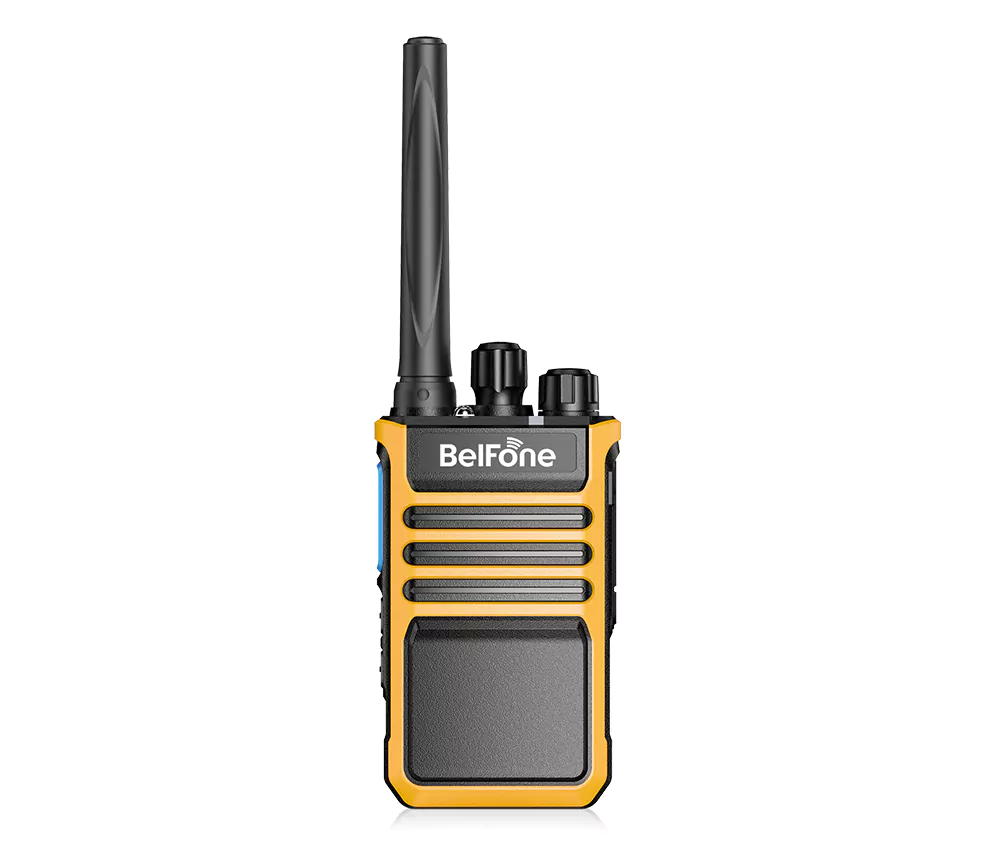
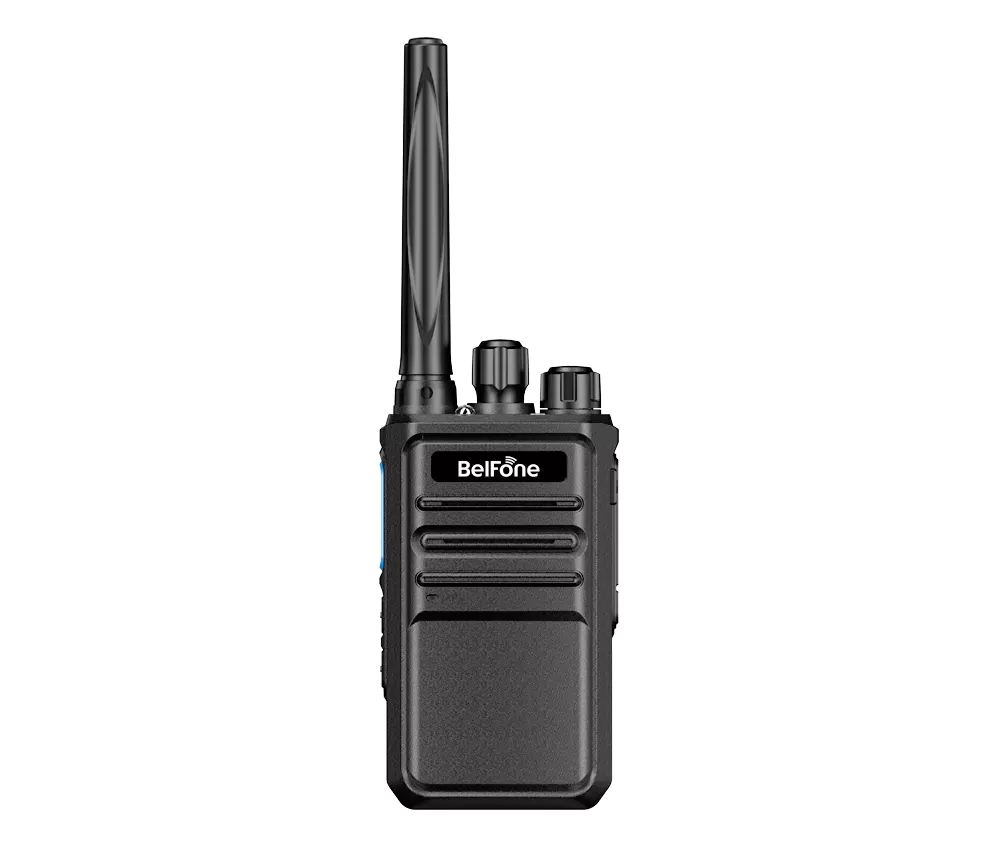
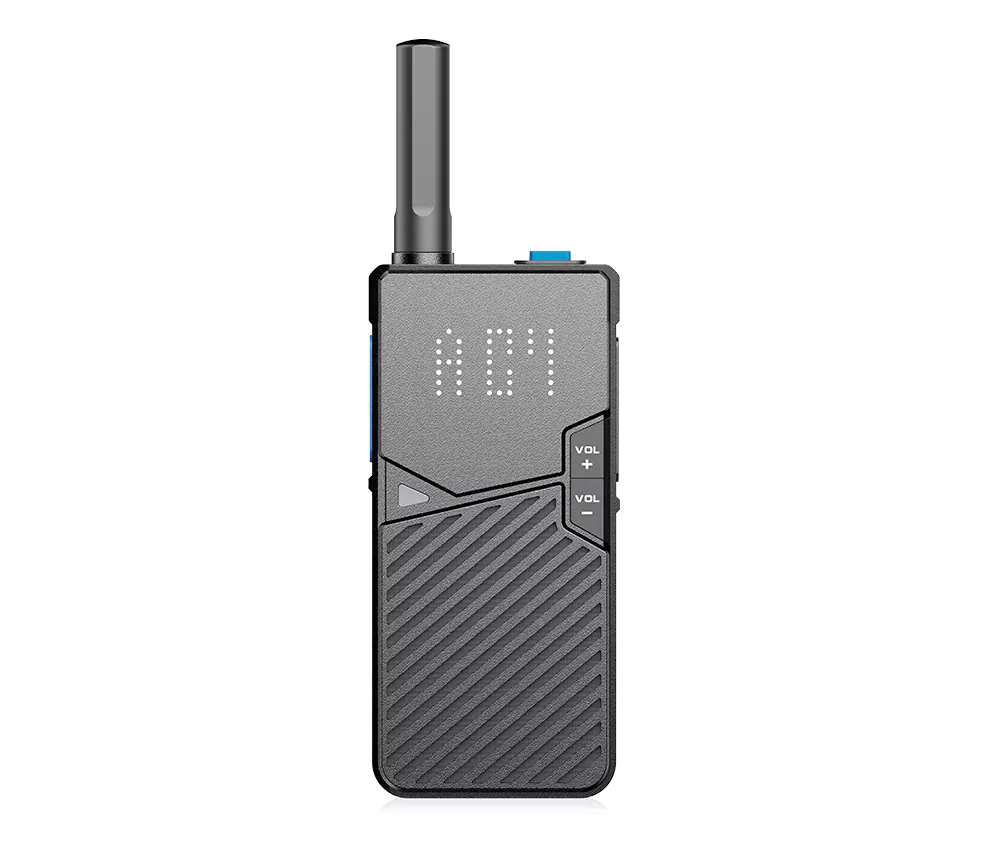





Technical support: Longcai Technology
